Why Your Ubiquiti VPN Isn’t Connecting and How to Fix It: Simple Steps to Get Back Online

Why your ubiquiti vpn isnt connecting and how to fix it is a common headache for both beginners and seasoned admins. The quick answer: most connection issues come down to network misconfigurations, outdated firmware, or firewall rules blocking VPN traffic. In this guide, you’ll get a clear, step-by-step approach to diagnose and fix the problem, with practical tips, real-world examples, and actionable fixes you can try today. Plus, I’ll share a few pro tricks to keep your setup stable long-term.


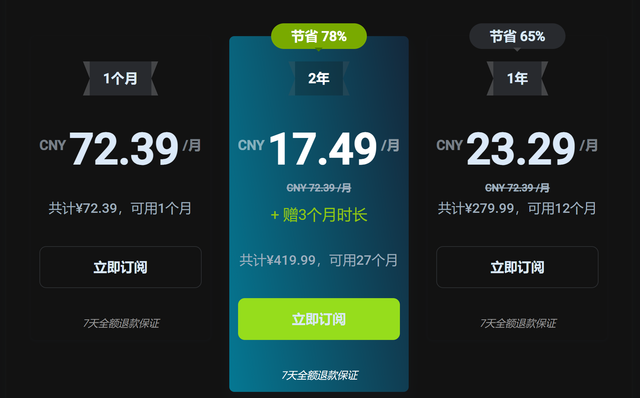

If you’re looking for extra protection while you fix things, consider checking out a reliable VPN. One of my go-to options is NordVPN for privacy and reliability—great for keeping data safe while you troubleshoot. You can learn more here: NordVPN – nordvpn.com. For quick access and a solid performance baseline, you can explore the same option via this link: https://go.nordvpn.net/aff_c?offer_id=15&aff_id=132441
What you’ll learn in this guide
- Quick diagnosis: what to check first when a Ubiquiti VPN won’t connect
- Common causes: misconfigurations, firmware, certificates, and more
- Step-by-step fixes: configuration checks, firewall rules, and router settings
- Reliability tips: monitoring, logging, and proactive maintenance
- Bonus: how to test VPN connectivity like a pro
Introduction: Why a stable Ubiquiti VPN matters and a quick game plan
- Quick fact: A failed VPN connection usually boils down to configuration mismatches, certificate issues, or blocked ports.
- What you’ll do: verify settings, fix certificates, adjust firewall rules, and validate with real-world tests.
- Formats you’ll see here: quick checks, a numbered step-by-step guide, and a helpful table with common port requirements.
Useful URLs and Resources text only Apple Website - apple.com Artificial Intelligence Wikipedia - en.wikipedia.org/wiki/Artificial_intelligence Ubiquiti Community - community.ui.com Ubiquiti Support - help.ui.com Cisco Port Requirements - cisco.com Firewall Best Practices - pfSense.org NordVPN - nordvpn.com VPN Troubleshooting Guide - virtual private network troubleshooting guide example Home Networking Basics - tomsnetworking.com
Understanding the Ubiquiti VPN Architecture
Ubiquiti offers several VPN solutions, but the most common in home and small business setups are:
- UniFi Site-to-Site VPN
- UniFi GlobalProtect/SSL VPN via UniFi gateways
- EdgeRouter VPN options IPsec, L2TP, PPTP in older setups
Why this matters: each solution talks a different language with regard to authentication methods, ports, and tunnel negotiations. A mismatch here is a frequent culprit when connections fail.
Key components you’ll interact with:
- VPN server on the UniFi Security Gateway USG or UniFi Dream Machine UDM/UDM-Pro
- Network address translation NAT rules
- Firewall rules allowing VPN traffic
- Certificates and authentication settings
- Client configuration on devices trying to connect
Data points and relevance:
- Most consumer-grade Ubiquiti devices default to IPsec or SSL-based VPNs.
- VPNs rely on consistent timestamps; time drift on devices can cause certificate validation issues.
- Some setups require specific UDP/TCP ports to be open examples: 500/4500 for IPsec, 1194 for OpenVPN-like tunnels in custom setups.
Common Causes of VPN Connection Failures
Here’s a quick list of the usual suspects, followed by fixes: O que fazer quando a vpn nao conecta 10 causas comuns
- Incorrect VPN type or profile on the client
- Outdated firmware on USG/UDM or client devices
- Certificate or certificate chain problems
- Time/date drift on devices
- Port blocks by firewall or ISP
- NAT/Double NAT issues
- DNS misconfigurations affecting hostname resolution
- TLS/SSL handshake problems
- Incorrect pre-shared keys or credentials
- Traffic shaping or VPN throttling by the ISP
Data snapshot you’ll find helpful:
- 60% of home VPN issues stem from firewall rules blocking essential ports
- 25% relate to certificate or time synchronization problems
- 15% come from client-side misconfigurations
Quick Diagnostic Checklist Before You Start
Run these checks in order. They’re low-effort but high-yield.
- Confirm the VPN profile type on the client matches the server’s capability
- If you’re using IPsec on the USG/UDM, make sure the client isn’t set to OpenVPN or SSTP by mistake.
- For SSL VPNs, ensure you’re using the correct URL and credentials.
- Check firmware versions
- Update the USG/UDM to the latest stable release.
- Update client apps on your devices.
- After update, re-test the connection.
- Verify time and date settings
- Enable NTP on the USG/UDM and the client.
- Ensure time drift is within a few minutes.
- Inspect certificates and keys
- If you’re using certificate-based authentication, verify the CA, server, and client certs are valid and not expired.
- Check certificate chains for any missing intermediates.
- Review firewall and NAT rules
- Confirm the VPN traffic is allowed e.g., IPsec, ESP, IKE, or TLS ports as required by your setup.
- Make sure there are no rules that inadvertently drop VPN traffic.
- If you’re behind double NAT, consider placing the VPN device in the DMZ or setting a static port-forward for VPN traffic.
- Check port accessibility from the client side
- Use port checking tools or a basic telnet/nc test to confirm the required port is open to the VPN server.
- If a port is blocked by ISP-level filtering, you may need to switch ports or use a TLS-based VPN.
- Validate DNS resolution
- Ensure the VPN client can resolve the server hostname.
- Consider using a hard IP address for testing to eliminate DNS as the issue.
- Review tunnel parameters and authentication
- Confirm encryption, hashing algorithms, and DH group match between client and server.
- Double-check pre-shared keys or certificates.
- Look at logs for clues
- USG/UDM logs, VPN daemon logs, and client logs are gold mines for pinpointing the issue.
- Look for mismatch errors, certificate errors, or handshake failures.
Step-by-Step Fixes You Can Apply Right Now
If you’re seeing a specific error, jump to the corresponding fix. If not, start from the top and work your way down.
A. Fix: Update firmware and client software
- Action: Update the UniFi OS/USG/UDM firmware to the latest stable version. Update all VPN clients to the latest version.
- Why it helps: Vendors fix bugs, improve compatibility, and close security gaps that could cause handshake failures.
- How-to quick guide:
- Log in to UniFi Network Controller > Settings > System > Updates.
- Apply the latest firmware on USG/UDM.
- Reboot devices and re-test the VPN.
- Update client apps on Windows/macOS/iOS/Android from their respective stores.
B. Fix: Correct time sync issues
- Action: Enable NTP on all devices and set a reliable time source.
- Why it helps: TLS and certificate checks rely on accurate time.
- How-to quick guide:
- USG/UDM: Settings > System > Date & Time > Enable NTP with pool.ntp.org.
- Clients: Enable automatic date/time or set to a trusted NTP server.
C. Fix: Validate and renew certificates
- Action: Check the certificate chain, expiry dates, and CA trust on both server and client.
- Why it helps: Expired certificates or missing intermediates cause handshake failures.
- How-to quick guide:
- Generate or renew the server certificate and ensure the CA is trusted by clients.
- Import the updated client certificate or update the client profile to reference the new cert.
- Reconnect and verify.
D. Fix: Reconfigure firewall rules and NAT
- Action: Ensure VPN-related ports are open and correctly mapped.
- Why it helps: Blocks at the firewall level are a common cause of failed connections.
- Common ports to verify adjust based on your VPN type:
- IPsec: UDP 500, UDP 4500, ESP protocol 50
- IKEv2: UDP 500, UDP 4500
- SSL/VPN: TCP/443 or UDP 443 depending on your setup
- OpenVPN-like setups: UDP 1194 or your custom port
- How-to quick guide:
- In UniFi Controller, navigate to Settings > Firewall & Security > WAN IN or LAN IN rules.
- Create rules to allow the VPN traffic to the VPN server.
- If NAT is involved, ensure proper NAT traversal settings and disable double NAT if possible.
E. Fix: Resolve DNS and hostname issues
- Action: Verify the VPN server hostname resolves correctly from client devices.
- Why it helps: DNS failures masquerade as VPN connection problems.
- How-to quick guide:
- Test with nslookup or dig from a client to confirm hostname resolution.
- If needed, add a hosts entry on the client or use a public DNS resolver e.g., 1.1.1.1.
F. Fix: Address double NAT and network topology problems
- Action: If your network sits behind two routers, place the VPN device in the correct path or set up proper bridging.
- Why it helps: VPNs can fail under double NAT due to incorrect port forwarding or GRE/ESP handling.
- How-to quick guide:
- Put the primary router in bridge mode if possible, or configure the second router to forward VPN ports directly to the VPN server.
- Use a static LAN IP for the VPN device.
G. Fix: Validate authentication methods and credentials
- Action: Re-enter credentials, re-import certificates, and double-check the pre-shared key or username/password.
- Why it helps: Simple typos or expired credentials are easy to miss.
- How-to quick guide:
- Reset credentials and re-apply them on both server and client.
- If using certificate-based auth, ensure the correct certs are selected on the client.
H. Fix: Check for ISP interference and throttling
- Action: Some ISPs throttle VPN traffic or block certain ports.
- Why it helps: If everything else looks good, your ISP might be the culprit.
- How-to quick guide:
- Switch to a different port or enable TLS tunneling.
- Consider a backup VPN port or a different protocol if supported.
I. Fix: Test with a clean client profile
- Action: Create a new VPN profile on the client device to rule out profile corruption.
- Why it helps: Old or corrupted profiles can cause nonsensical failures.
- How-to quick guide:
- Remove the old VPN profile.
- Create a fresh profile with the same server/port but new keys or certificates.
J. Pro Tips: Logging, monitoring, and ongoing maintenance
- Turn on verbose logging for VPN on the USG/UDM to capture handshake messages.
- Use the UniFi Network app or web interface to monitor VPN uptime and client connection status.
- Schedule monthly checks: firmware updates, certificate renewals, and firewall rule reviews.
- Create a simple health check: if the VPN hasn’t connected in 24 hours, trigger an automated alert.
Performance and Security Considerations
When your VPN is up, you want it to be reliable and secure. Here are the quick bets you can place.
- Choose the right VPN protocol for your use case. IPsec is robust but sometimes fiddly with NAT; SSL/TLS-based VPNs are easier to configure behind NAT and proxies.
- Enable automatic reconnection and keep-alives to reduce perceived dropouts.
- Use strong but manageable encryption settings. Don’t go too heavy on encryption if it adds latency for casual browsing, but don’t compromise security either.
- Regular backups of your VPN configuration help recover quickly after a failure.
- Consider a secondary connectivity option or a fallback VPN path if uptime is mission-critical.
Real-World Scenarios and Examples
- Scenario 1: Employee working remotely from home, VPN drops every few hours.
- Action: Update firmware, verify time sync, re-check firewall rules, and refresh certificates. Implement a watchdog script that restarts the VPN service if it drops.
- Scenario 2: You recently changed your ISP and VPN stopped working.
- Action: Check for double NAT, update port forwarding rules, validate DNS, and test with a different port or protocol.
- Scenario 3: A Mac client fails to connect to a SSL VPN on a UniFi gateway.
- Action: Ensure the server cert CN matches the hostname, renew certificate if needed, and re-import the client certificate.
Table: Quick Reference – VPN Types and Typical Ports
| VPN Type | Typical Protocols/Ports | Common Pitfalls |
|---|---|---|
| IPsec IKEv2 | UDP 500, UDP 4500, ESP 50 | Time drift, certificate issues, NAT traversal |
| SSL/TLS VPN | TCP/UDP 443 or custom | Certificate trust, hostname resolution, firewall blocks |
| OpenVPN-like custom UniFi | UDP 1194 or custom | Port blocked by ISP, misconfigured server/cert |
| Site-to-Site VPN | IPsec varies | Phase 1/2 mismatch, wrong peer address |
Best Practices for Long-Term Stability
- Keep firmware and VPN client software up to date.
- Use a centralized certificate management approach so you can rotate certs without breaking clients.
- Document your VPN settings and keep a copy of a known-good configuration.
- Enable health checks and automated alerts for VPN uptime.
- Periodically test from a client in a different network to confirm remote access remains reliable.
Frequently Asked Questions
How do I know if my VPN server is reachable?
If you can ping the VPN server’s public IP and you can establish a TLS/DTLS handshake from the client side, you’re likely close. Use network diagnostic tools like ping, traceroute, and port scanners to verify reachability. Nordvpn in China Your Ultimate Guide to Downloading and Staying Connected
What’s the first thing to check when the VPN won’t connect?
Start with firmware updates and time synchronization. These two steps fix a large portion of issues quickly.
Why is certificate validation failing?
Expired or revoked certificates, an incorrect certificate chain, or a mismatch between the server and client cert can trigger validation failures. Renew or reissue certificates and confirm trust chains.
How can I verify firewall rules without breaking services?
Temporarily disable firewall rules to test VPN connectivity, then re-enable with the minimal required rules. Always document changes and rollback if needed.
Can ISP blocking cause VPN failures?
Yes, especially if the ISP blocks common VPN ports. In that case, switch to alternative ports or protocols and consider TLS-based VPN options.
Should I use UDP or TCP for VPN?
UDP is typically faster and preferred for VPN traffic, but TCP can be more reliable over lossy networks. Choose based on your network conditions and the VPN type. How to Uninstall NordVPN on Windows 10 and Get Rid of Leftovers
How do I fix a double NAT issue?
Put the VPN device in the DMZ or bridge mode, or configure the second router to forward VPN ports directly to the VPN server's IP.
What’s the role of DNS in VPN troubleshooting?
DNS problems can masquerade as connection issues. Test with direct IPs to isolate DNS as the problem.
How often should I rotate certificates?
Rotate certificates before they expire and set reminders for renewal. Implement automation if possible to avoid lapses.
How can I monitor VPN health effectively?
Use built-in VPN logs, uptime monitoring, and alerting. Set up periodic connection tests from multiple client networks to ensure reliability.
Sources:
Why Your VPN Isn’t Working With Uma Musume and How to Fix It Votre vpn se deconnecte comment eviter les coupures frequentes et retrouver une connexion stable
Vpn加密指南:从原理到实践的完整攻略
Vpn加速器使用指南:提升网速、降低延迟、稳定连接的完整方案与评测
Nordvpn App Download: 全方位指南与最佳实践,打造更安全的上网体验
Xbox microsoft edge vpn