Where to find OpenVPN profile location on your devices for quick connection
Where to find OpenVPN profile location on your devices for quick connection: a quick fact to start — your OpenVPN profile is usually stored in a dedicated folder on your device, often named “OpenVPN,” “config,” or “VPN” inside your user directory or app data. This post gives you a straightforward, step-by-step guide to locate those profiles fast, plus tips to connect quickly across Windows, macOS, Linux, Android, and iOS. If you’re in a hurry, jump to the quick-reference sections below or keep reading for deeper context, caveats, and real-world tips.


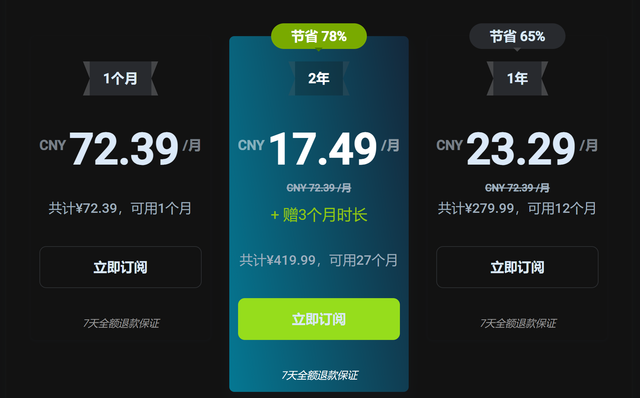

Useful resource note: for faster, safer browsing and better privacy on all devices, consider a trusted VPN service. NordVPN is a popular option with robust apps and strong privacy features. If you’re curious, you can explore more at DPBOLVW affiliate link: https://go.nordvpn.net/aff_c?offer_id=15&aff_id=132441 Vpn nao conecta 7 causas comuns e solucoes passo a passo
What you’ll learn in this guide
- Where OpenVPN profiles live by platform
- How to quickly locate and copy the profile file
- How to import and connect using the official OpenVPN client or third-party apps
- Common issues and quick fixes
- Quick reference tables and visual cues to speed up the process
- Frequently asked questions to cover edge cases and advanced setups
- Quick path overview: how OpenVPN profiles are stored by platform
- Windows
- OpenVPN GUI typically looks for profiles with .ovpn extension in:
- C:\Users<YourUsername>\OpenVPN\config
- C:\Program Files\OpenVPN\config
- OpenVPN GUI typically looks for profiles with .ovpn extension in:
- Windows
- OpenVPN profiles are often stored in:
- /Users/
/Library/Application Support/OpenVPN/config - Alternatively, the app may keep a dedicated profiles folder inside the OpenVPN Connect app data
- /Users/
- Profiles are commonly found in:
- /etc/openvpn/
- /home/
/openvpn/
- Files end with .ovpn, sometimes with client.conf or separate .conf files depending on how you set up the service
- OpenVPN profiles .ovpn usually live in:
- /sdcard/Download or the Downloads folder
- Some apps let you import directly from device storage; you might see a folder named OpenVPN
- Profiles aren’t plain files in the same way. They’re embedded in the OpenVPN Connect app, but you can export/import .ovpn files from email, iCloud Drive, or other storage and the app will save them within its own sandboxed directory
- Step-by-step: how to locate an OpenVPN profile quickly
If you already downloaded a profile, use these quick steps to find it fast.
Windows fast search
- Open File Explorer
- In the search bar, type *.ovpn and press Enter
- If you know the folder you downloaded to, narrow the search with: kind:documents OR kind:folders
- Once found, right-click the file and choose Open file location to confirm its folder
MacOS spotlight and Finder
- Press Command + Space to open Spotlight and type *.ovpn
- If Spotlight doesn’t show the file, open Finder and use the search bar in your home folder, filtering by file extension “ovpn”
Linux terminal shortcut 크롬 urban vpn proxy 완전 정복 가이드 2026년 최신 정보
- Open a terminal
- Run: locate *.ovpn
- If locate isn’t updated, run: sudo updatedb && locate *.ovpn
- You can also use: find ~ -name "*.ovpn" 2>/dev/null
Android in-app access
- Open your OpenVPN client app
- Look for an Import or + button and select Local File
- The app will show the device storage locations, including Downloads or OpenVPN folder
IOS in-app access
- Tap the OpenVPN Connect app
- Choose Import or +, then From iPhone/iCloud Drive or Files
- Navigate to the location where you saved the .ovpn file
- Importing and connecting: quick-start for common apps
- OpenVPN Connect official client
- Locate the .ovpn file as above
- In OpenVPN Connect, choose Import > Import Profile from SD Card/Device or From iCloud Drive, depending on your platform
- Confirm any prompts, then tap the profile to connect
- OpenVPN Connect official client
- Import the .ovpn file through the app’s import or add profile flow
- You may be prompted to grant permissions or install extra components like tun/tap drivers on Linux
- Some apps support connecting directly from a text input. If your .ovpn is accessible, copy its contents and paste into the app’s import text field where supported
- Common issues and quick fixes
- Issue: Profile not found after download
- Fix: Check Downloads and OpenVPN-specific folders. Use system search for .ovpn and ensure the file extension is correct
- Issue: Profile not found after download
- Fix: Some .ovpn profiles reference external CA or certificate files. Ensure all referenced files ca.crt, client.crt, client.key are in the same folder or embedded in the .ovpn text
- Fix: Verify VPN username/password if required, or check if two-factor auth is enabled on the VPN server
- Fix: Right-click the app > Open to bypass Gatekeeper for the first launch, then proceed with import
- Fix: In app settings, enable “block DNS leaks” or use a trusted DNS option. If speeds are slow, try a different server profile or switch to a different VPN protocol if supported
- Fix: Re-download the profile from the VPN admin portal or request a fresh copy. Confirm the file is saved with .ovpn extension and not .ovpn.txt
- Fix: Review the OpenVPN profile for route-nopull or redirect-gateway lines. Adjust in the app if it supports split tunneling or request a modified profile
- Best practices for managing VPN profiles
- Keep a clean archive
- Create a dedicated folder for VPN profiles per device, like OpenVPN/config or OpenVPN/profiles
- Use descriptive file names: Country-City-ServerName.ovpn
- Keep a clean archive
- If you manage many profiles, consider adding a version suffix or a timestamp to identify the latest one
- If a profile includes embedded credentials, store the file in a secure location and avoid sharing it over email or cloud links
- Keep a backup copy of your working profiles in a secure location, and make sure you still have access to the VPN admin portal to refresh credentials if needed
- VPN servers occasionally rotate certificates. Refresh profiles from your provider when you see connection issues or after an administrator message
- Quick-reference tables: platform-by-platform snapshot
- Windows
- Common path: C:\Users<Username>\OpenVPN\config
- File type: .ovpn
- App: OpenVPN GUI
- Windows
- Common path: /Users/
/Library/Application Support/OpenVPN/config - File type: .ovpn
- App: OpenVPN Connect, Tunnelblick
- Common path: /etc/openvpn/ or /home/
/openvpn/ - File type: .ovpn
- App: NetworkManager, openvpn package
- Location indicators: Downloads or OpenVPN folder
- File type: .ovpn
- App: OpenVPN, OpenVPN Connect
- Location indicators: In-app storage; import via Files app
- File type: .ovpn imported
- App: OpenVPN Connect
- Visual checklist: quick cues to speed up the process
- Look for .ovpn files only; other extensions won’t be picked up by standard OpenVPN clients
- Prefer files with simple names like “US-Atlanta.ovpn” or “EU-London.ovpn”
- Confirm the profile includes embedded certs; otherwise, you’ll need extra files ca.crt, client.crt, client.key
- If you’re unsure where the file is, use a device-wide search for “.ovpn” to locate all profiles across folders
- Security considerations: handling profiles safely
- Treat .ovpn files as you would sensitive credentials
- Do not email profiles without encryption
- Avoid sharing profiles via untrusted cloud links
- If a profile contains client certificates, it effectively acts as a private key; guard it accordingly
- Treat .ovpn files as you would sensitive credentials
- Combine VPN with strong credentials and two-factor authentication on the VPN server
- Work with your IT or VPN provider to rotate and revoke outdated profiles
- Real-world scenarios: common setups you’ll encounter
- Small business with a handful of employees
- IT admin issues individual .ovpn profiles and distributes them via a secure file transfer system
- Employees store profiles in a consistent folder and import via the official client
- Small business with a handful of employees
- Admin provides a set of profiles for different regions; workers switch profiles in the VPN app to connect to the desired region
- Save a few profiles in Downloads and create a quick shortcut or a batch file Windows to import and connect with one click where supported by the client
- Quick-start cheat sheet
- Find: Search for .ovpn on your device
- Import: Use the OpenVPN client’s Import/Add Profile flow
- Connect: Tap the profile and press Connect
- Troubleshoot: Check server status, credentials, and embedded certificates
- Secure: Archive and protect profile files, rotate regularly
- Useful resources and links text only
- OpenVPN official documentation - openvpn.net
- OpenVPN Community forum - community.openvpn.net
- NordVPN official site - nordvpn.com
- VPN security best practices - en.wikipedia.org/wiki/Virtual_private_network
- Apple support pages - support.apple.com
- Android developer guides - developer.android.com
- Linux OpenVPN how-tos - wiki.archlinux.org
- NetworkManager OpenVPN plugin docs - manpages
- OpenVPN GUI project - openvpn.net/client
- OpenVPN Connect app help - help.openvpn.net
Frequently Asked Questions
How do I know which profile to use for a specific server?
Each profile is typically labeled with the server location or region. Choose the profile that matches the server you want to connect to, then import and connect.
Can I use a single profile for multiple devices?
Yes, if the profile is securely shared and contains all necessary certificates. Ensure the server supports concurrent connections and that you’re following your organization’s security policy. Globalprotect vpn connected but no internet heres how to fix it
What if my .ovpn profile references external cert files?
Make sure all referenced files ca.crt, client.crt, client.key are present in the same folder or embedded in the profile. If not, obtain a complete profile package from your admin.
Is it safe to download profiles from email?
Only if the email is from a trusted source and the attachment is encrypted or protected. Prefer downloading from a secure portal with proper access controls.
How do I export a profile from iOS or Android?
On mobile, you generally export or share a profile through the OpenVPN app’s Import/Export options, or open the profile from a cloud drive and import it into the app.
What should I do if the app says the profile is invalid?
Obtain a fresh copy from your VPN administrator. Profiles can be revoked or updated when servers are rotated.
Can I edit an .ovpn file manually?
Yes, but only if you know what you’re changing. Incorrect edits can break the connection. It’s safer to request an updated profile from the admin. Expressvpn Wont Uninstall Heres Exactly How To Fix It: Quick, Clear Steps To Remove ExpressVPN And Clean Your System
How do I ensure DNS won’t leak after connecting?
Look for DNS leak protection options in the app settings and enable them. If you’re unsure, test using an online DNS leak test tool.
What’s the difference between OpenVPN and other VPN protocols?
OpenVPN is widely supported, secure, and flexible. Other protocols like WireGuard can offer faster speeds but may have different compatibility and security considerations. Check what your provider supports and pick accordingly.
If you’re ready to optimize your quick-connect workflow, start by locating your OpenVPN profiles on your device using the steps above, then import into your preferred OpenVPN client and connect. For a smoother experience and extra protection, consider using a reputable VPN service with strong apps, privacy policies, and 24/7 support.
Sources:
Vpn free download pc: 快速获取、安全上网与隐私保护全指南
Samsung q60d qled tv review 2026 Urban vpn proxy 다운로드 무료 vpn 설치부터 사용법 장단점까지 완벽 분석 2026년 최신 가이드: VPN 비교, 속도, 보안, 프라이버시까지 한눈에 보는 실전 가이드
内置 VPN:全面解析、选购与使用指南,提升安全与隐私
Windows 11でvpn接続を劇的に速く!デスクトップショートカットと最適化テクニック
Troubleshooting windows 11 forticlient vpn ipsec connection failures